Montmartre: The Village That Shaped Parisian Art
Long before it became one of Paris's most visited neighbourhoods, Montmartre was a separate village known for its windmills, vineyards, and rural character. Over time, its affordable rents, creative atmosphere, and bohemian spirit transformed it into one of Europe's most influential artistic centres. Today, Montmartre remains a fascinating blend of history, culture, and creativity, offering visitors an opportunity to experience a side of Paris unlike any other.
When Montmartre Was a Village
For centuries, Montmartre existed outside the boundaries of Paris. Located on one of the highest hills in the region, it developed as a small rural community surrounded by fields, vineyards, and windmills. Unlike the grand boulevards and elegant architecture that would later come to define central Paris, Montmartre maintained a slower pace of life and a distinct local identity.
Its separation from the city proved important to the area's future. Artists, writers, and musicians would eventually be drawn to Montmartre by its affordability and independent spirit, helping establish the creative community for which the district became famous.
The Rise of a Creative Community
During the late nineteenth century, Montmartre emerged as the centre of Parisian artistic life. Painters, poets, musicians, and performers gathered in studios, cafés, and workshops across the neighbourhood, creating an environment that encouraged experimentation and new ideas.
Many of the artistic movements that shaped modern culture were influenced by the conversations and collaborations that took place here. The district became a place where artists could challenge conventions while developing entirely new approaches to creativity.
The Artists Who Made Montmartre Famous
Some of the most important figures in modern art spent significant periods of their careers in Montmartre. Henri de Toulouse-Lautrec captured the lively atmosphere of the neighbourhood in posters and paintings that remain iconic today. His work documented the cafés, cabarets, and performers that defined the area's nightlife.
Pablo Picasso also lived and worked in Montmartre during his early years in Paris. It was here that he produced many of the works that established his reputation and contributed to the development of modern art. Alongside them, countless painters, writers, and sculptors helped create an extraordinary concentration of creative talent rarely matched elsewhere.
Cafés, Cabarets, and Cultural Life
The cultural identity of Montmartre developed around its famous gathering places. Establishments such as Le Chat Noir became meeting points for artists, intellectuals, and performers who exchanged ideas late into the evening.
The district also became famous for its cabarets, most notably the Moulin Rouge, whose distinctive red windmill remains one of Paris's most recognisable landmarks. These venues offered entertainment while also serving as important centres for artistic expression and innovation.
Montmartre Today
Although Paris expanded dramatically during the twentieth century, Montmartre successfully preserved much of its historic character. Visitors today can still stroll through narrow streets lined with cafés, explore hidden stairways, and discover quiet corners that retain the feel of a village rather than a capital city.
One of the district's best-known locations is Place du Tertre, where artists continue to display and sell their work. The square provides a direct connection to the artistic traditions that helped define Montmartre's reputation.
Views Over Paris
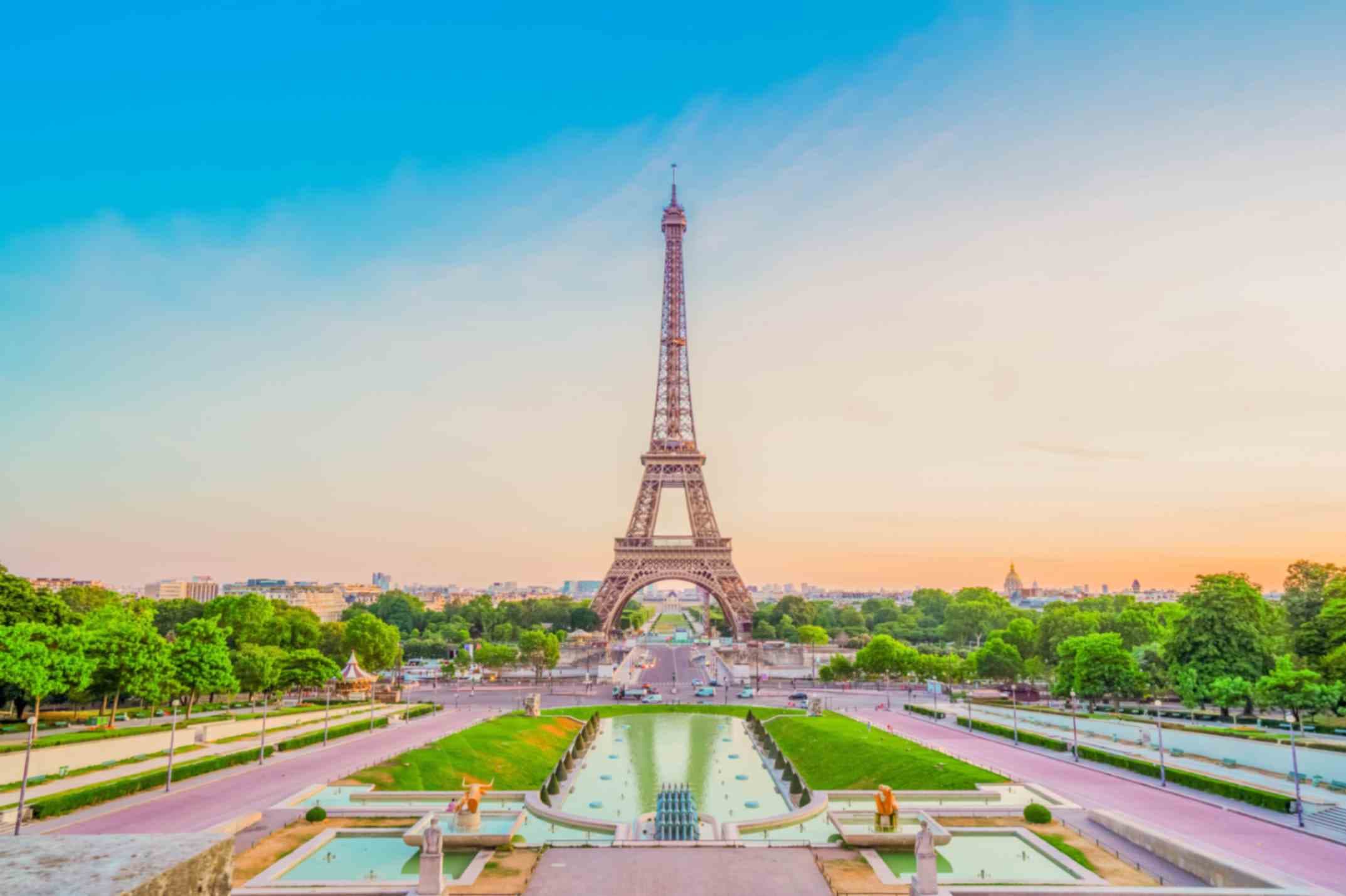
Montmartre's elevated position offers some of the most spectacular views in the city. At the summit stands Sacré-Cœur Basilica, one of Paris's most visited landmarks. From the terraces surrounding the basilica, visitors can enjoy sweeping panoramas across the capital, taking in many of its most famous monuments and neighbourhoods.
The combination of artistic heritage, historic streets, and remarkable views continues to attract travellers from around the world.
Why Montmartre Remains Special
What makes Montmartre unique is its ability to preserve its distinct identity while remaining part of one of the world's most famous cities. The neighbourhood continues to celebrate the creativity, independence, and cultural energy that attracted generations of artists and dreamers.
From its village origins and legendary residents to its cafés, cabarets, and iconic viewpoints, Montmartre tells one of the most fascinating stories in Paris. For visitors seeking art, history, and authentic local character, few places capture the spirit of the French capital quite like Montmartre.