UNESCO World Heritage Sites in France You Should Visit

France is home to some of the world's most celebrated cultural and historical landmarks, many of which have been recognised as UNESCO World Heritage Sites. These places represent centuries of architectural achievement, artistic excellence, spiritual significance, and historical importance. From royal palaces and medieval abbeys to remarkable cathedrals and historic wine regions, they offer visitors an opportunity to experience the stories that shaped France and influenced the wider world.
Whether you're planning your first visit to France or looking to explore beyond the country's most famous attractions, these UNESCO sites provide unforgettable insights into its extraordinary heritage.
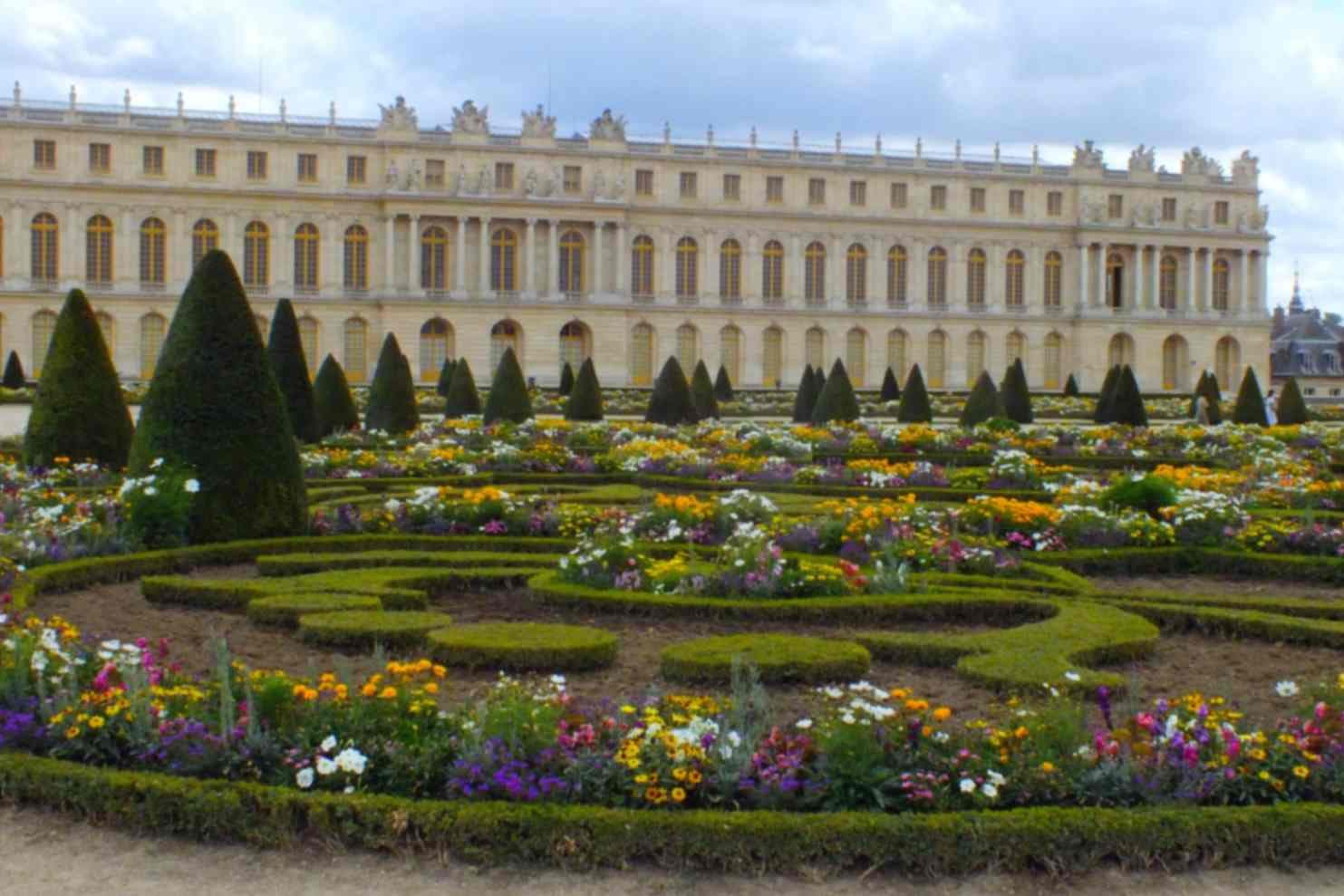
Palace and Park of Versailles
Few UNESCO sites are as instantly recognisable as the Palace of Versailles. Once the seat of the French monarchy, the palace stands as one of the greatest achievements of seventeenth-century architecture and landscape design.
Visitors can explore the magnificent Hall of Mirrors, royal apartments, ceremonial rooms, and extensive gardens created by André Le Nôtre. Beyond its beauty, Versailles offers a deeper understanding of royal power, political history, and the cultural influence of the French court.
Today, it remains one of France's most visited cultural landmarks and one of the country's defining symbols.
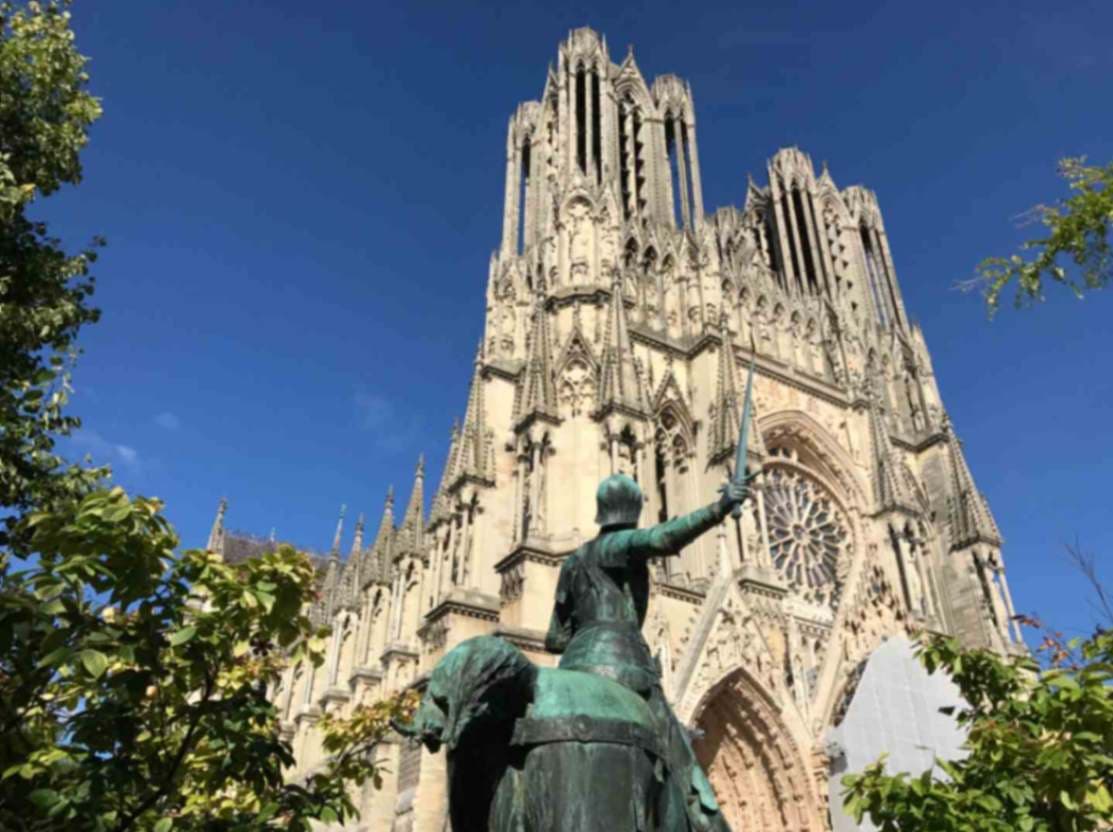
Reims Cathedral and the Champagne Region
The city of Reims occupies a unique place in French history. Its magnificent Notre-Dame Cathedral served as the coronation site for French kings for centuries and remains one of the finest examples of Gothic architecture in Europe.
Beyond the city centre lies the world-famous Champagne region, where generations of producers have cultivated traditions that transformed sparkling wine into an international symbol of celebration. Together, the cathedral, the city, and the surrounding landscape tell a story of faith, royalty, craftsmanship, and cultural heritage.
For visitors, Reims offers an exceptional combination of history, architecture, and gastronomy.
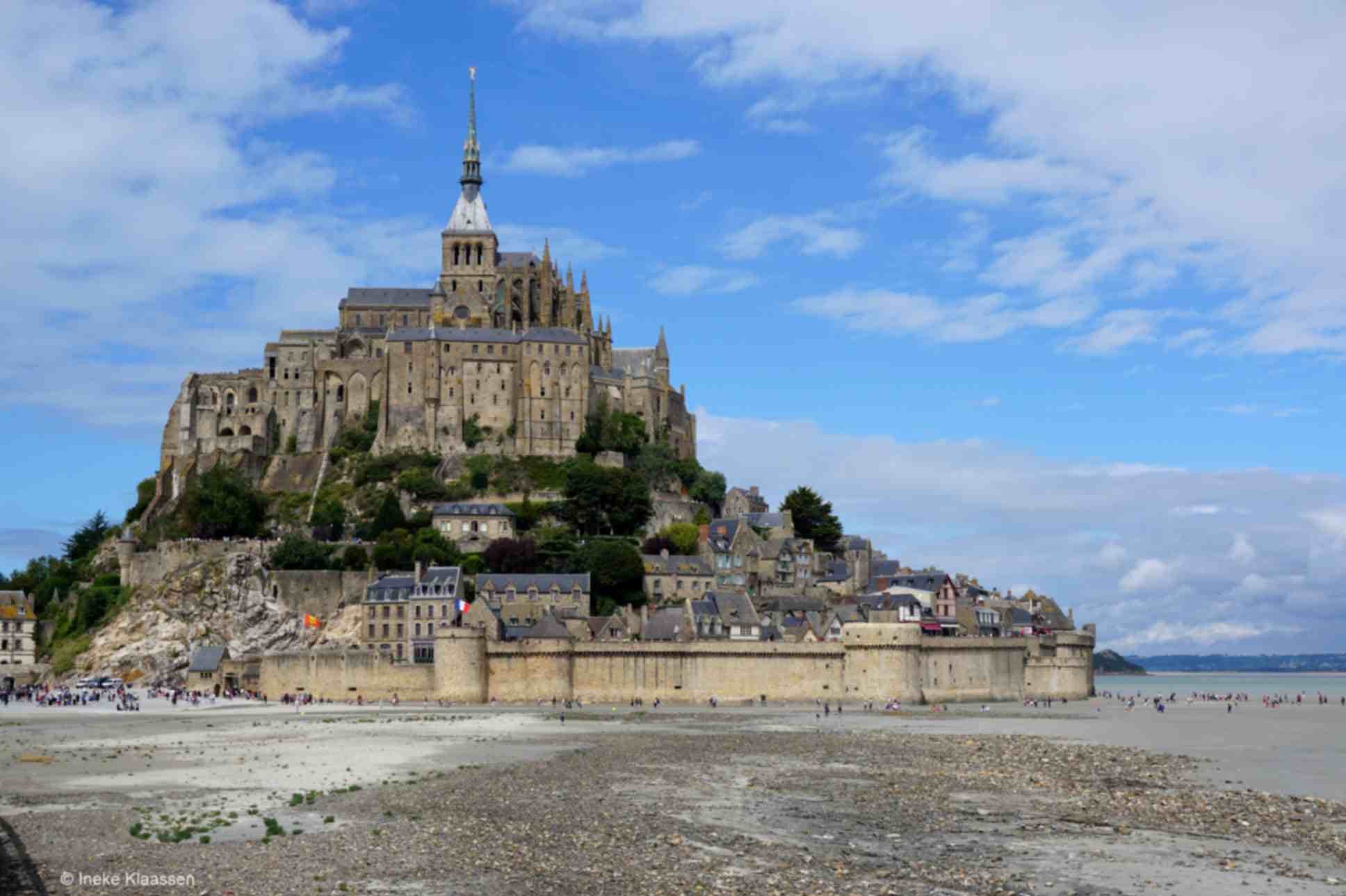
Mont-Saint-Michel and Its Bay
Rising dramatically from a tidal bay on the Normandy coast, Mont-Saint-Michel is among France's most iconic destinations. The medieval abbey, narrow streets, fortifications, and surrounding landscape create a setting unlike anywhere else in Europe.
For centuries, pilgrims travelled to Mont-Saint-Michel in search of spiritual inspiration. Today, visitors continue to be drawn by the site's extraordinary architecture, historical significance, and breathtaking setting.
The constantly changing tides and remarkable silhouette of the abbey contribute to its enduring appeal and UNESCO recognition.
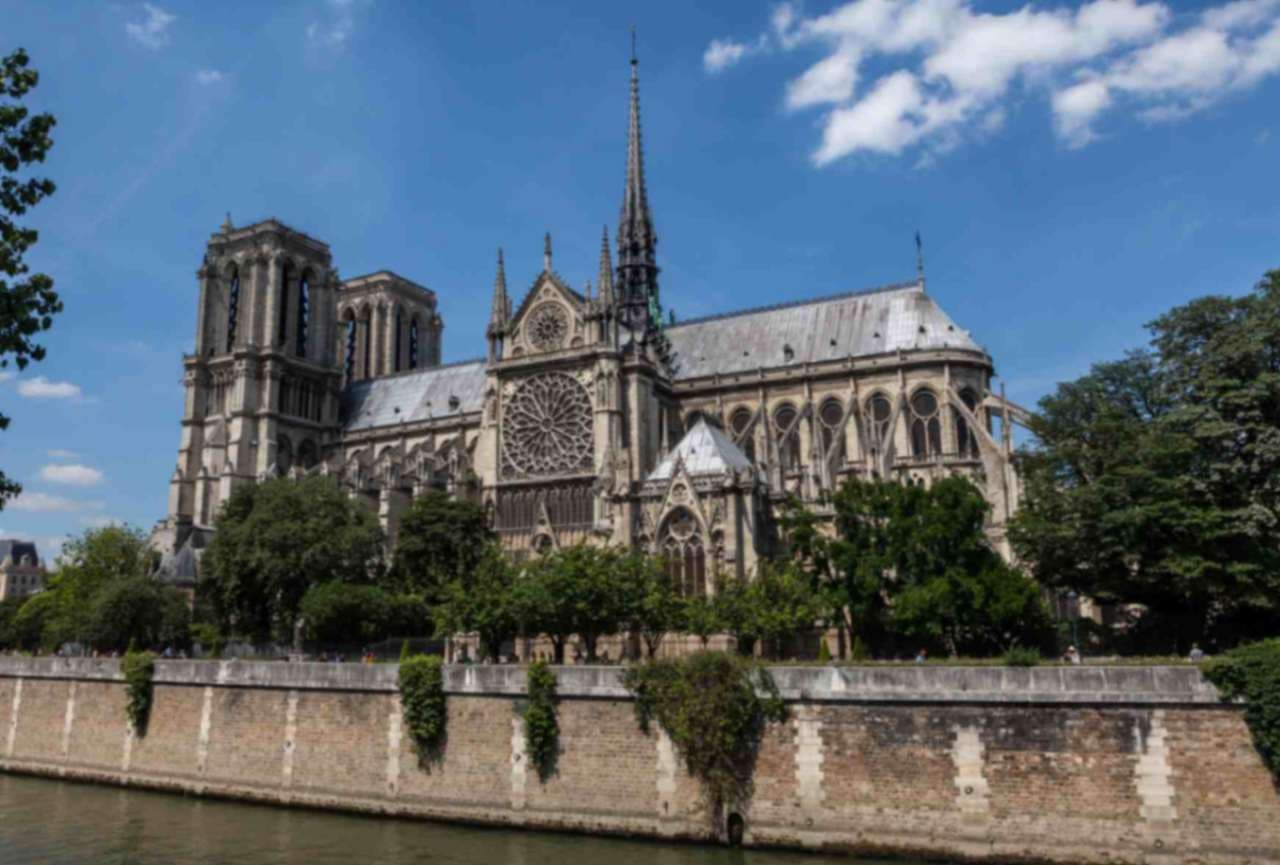
Historic Centre of Paris
The heart of Paris, stretching along the banks of the Seine, contains some of the country's most important cultural monuments. UNESCO recognition highlights the exceptional concentration of architecture, historic sites, and artistic heritage found within the city's historic core.
Visitors can explore landmarks such as Île de la Cité, Sainte-Chapelle, and the surrounding districts that helped shape Paris into one of the world's most influential capitals. Walking through these streets reveals centuries of political, religious, and cultural history preserved within the modern city.
The Seine and its monuments remain central to Paris's identity and global reputation.
The Fortified City of Carcassonne
Located in southern France, Carcassonne is one of Europe's most impressive medieval fortified cities. Its towering walls, defensive towers, gates, and historic streets transport visitors back to the Middle Ages.
The city played an important role in the history of the region and remains an outstanding example of medieval military architecture. Restoration work helped preserve its character, making it one of France's most visited heritage destinations.
Exploring Carcassonne offers a rare opportunity to experience a remarkably complete medieval city.
The Routes of Santiago de Compostela in France
Across France, a network of historic pilgrimage routes leads towards Santiago de Compostela in Spain. These routes include churches, bridges, villages, and religious monuments that played a vital role in medieval pilgrimage traditions.
Many of France's most beautiful historic towns and religious sites developed along these routes, creating an interconnected cultural landscape recognised by UNESCO. Today, they continue to attract travellers interested in history, architecture, spirituality, and long-distance walking.
The routes reveal a fascinating aspect of European history while connecting visitors with centuries-old traditions.
Why UNESCO Sites Matter
UNESCO World Heritage Sites are recognised for their exceptional cultural, historical, or natural value. In France, they preserve the achievements of generations while helping visitors better understand the people, events, and ideas that shaped the nation.
From the splendour of Versailles and the Gothic beauty of Reims Cathedral to the timeless appeal of Mont-Saint-Michel, these sites offer more than impressive architecture. They provide a direct connection to the stories, traditions, and cultural achievements that continue to define France today.
For travellers seeking memorable experiences, UNESCO World Heritage Sites remain among the country's most rewarding destinations and a remarkable introduction to the richness of French history and heritage.