What Makes Champagne Different from Sparkling Wine?
Few beverages are associated with celebration quite like Champagne. Whether marking a special occasion or accompanying a memorable meal, this sparkling wine has earned a reputation that extends far beyond the borders of France. Yet while many sparkling wines are produced around the world, only a select few can legally bear the name Champagne. Understanding why begins with the region itself and the traditions that have defined it for centuries.
It All Starts with the Region
The most important distinction is geographical. True Champagne can only be produced within the Champagne region of northeastern France. This protected designation means that wines produced elsewhere, even when using identical grape varieties and techniques, cannot legally be called Champagne.
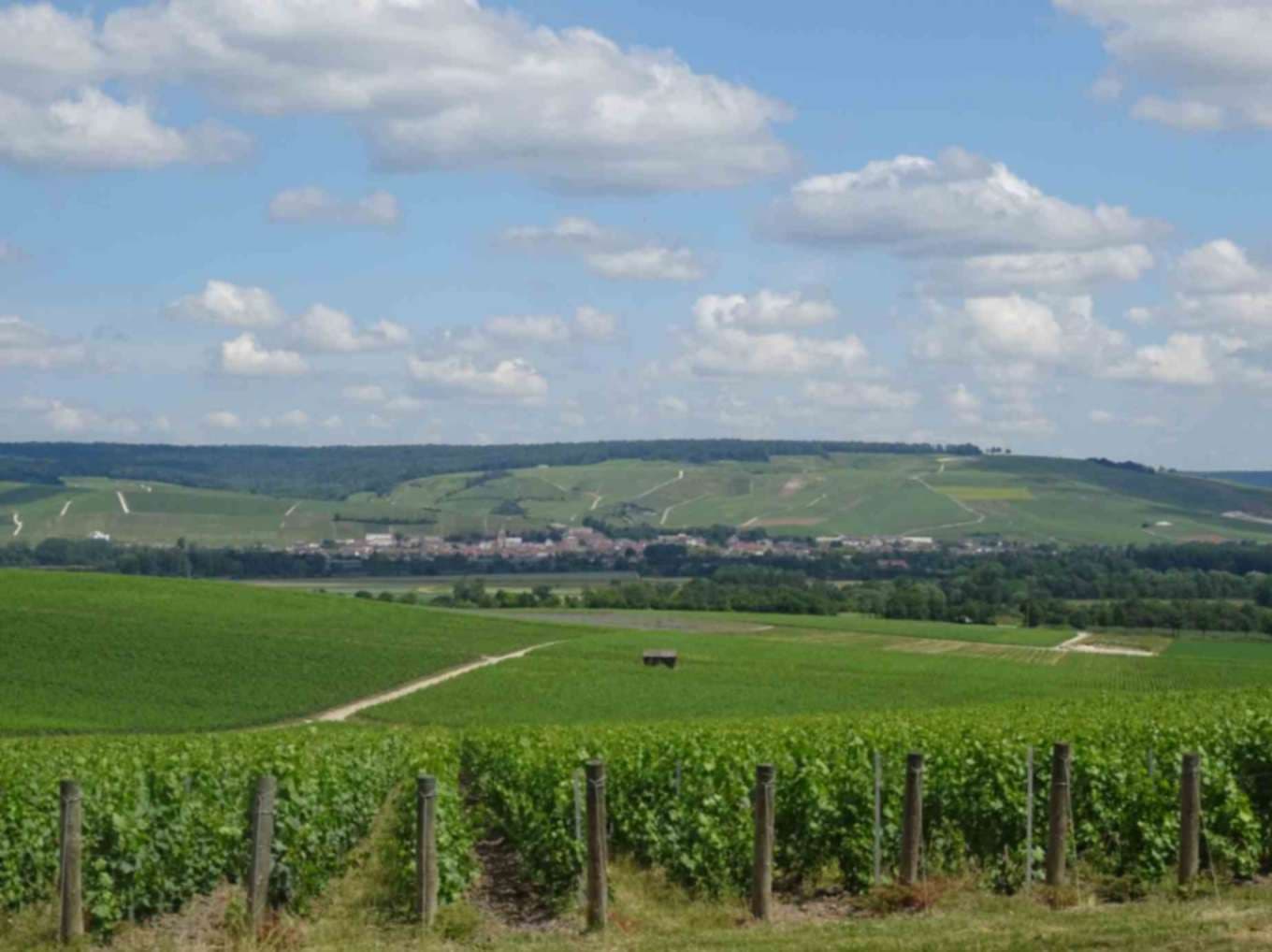
The region's unique combination of climate, soil, and winemaking expertise contributes significantly to the character of the finished wine. Chalk-rich soils, cool temperatures, and generations of accumulated knowledge have helped create conditions unlike those found anywhere else in the world.
This strong connection between place and product is one of the foundations of Champagne's international reputation.
The Traditional Method
Champagne is also defined by how it is produced. Winemakers follow a process known as the traditional method, in which the wine undergoes a second fermentation inside the bottle. This fermentation creates the bubbles that distinguish sparkling wine from still wine.
The method requires patience, precision, and considerable expertise. Bottles are carefully aged, rotated, and monitored throughout the production process. These additional steps contribute to the texture, complexity, and fine bubbles that Champagne is known for.
Although other sparkling wines may also use the traditional method, the standards governing Champagne production are among the most rigorous in the wine world.
Strict Rules and Regulations
One reason Champagne enjoys such a strong reputation is the strict framework governing its production. Everything from grape cultivation and harvesting to maturation and bottling is regulated.
Only specific grape varieties are permitted, most notably Chardonnay, Pinot Noir, and Pinot Meunier. Producers must also adhere to detailed requirements concerning vineyard practices and ageing periods before the wine can be released.
These regulations help maintain quality and consistency while protecting the identity of Champagne as a product of exceptional heritage and craftsmanship.
A Landscape Shaped by Centuries of Tradition
The history of Champagne stretches back hundreds of years. Over time, generations of winemakers refined production techniques and established traditions that continue to influence the region today.
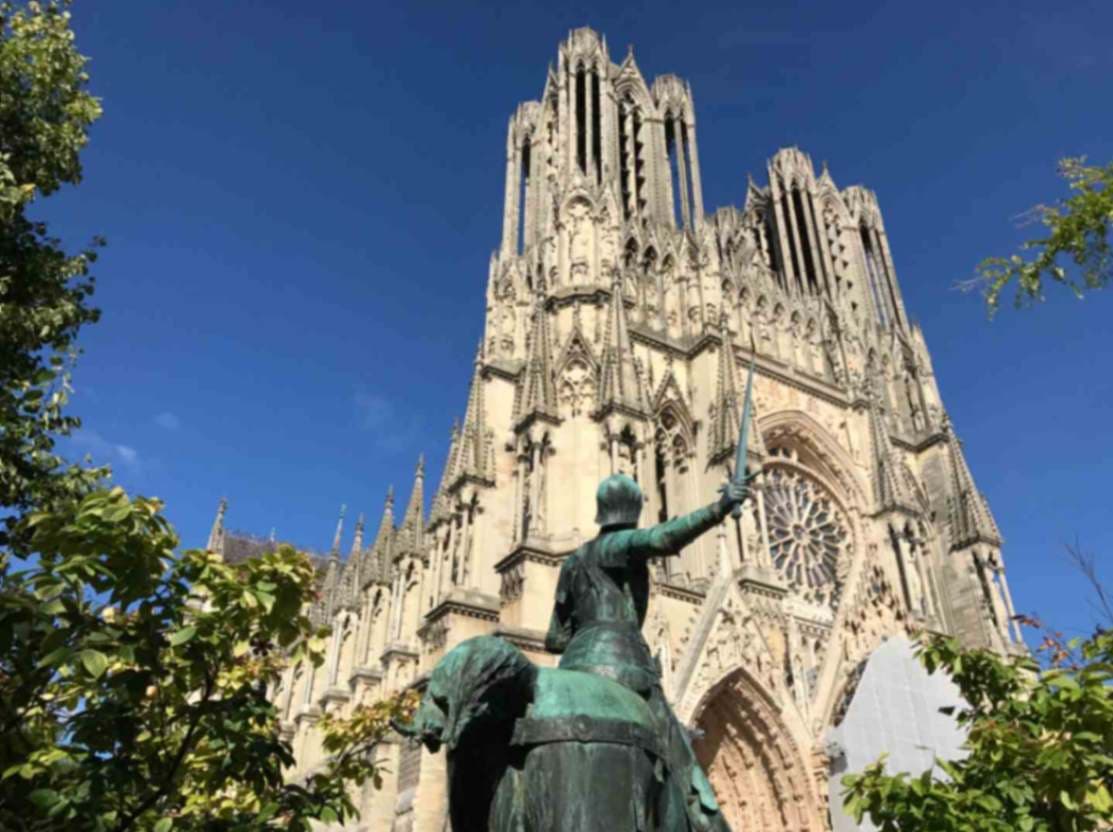
Champagne's association with royalty, diplomacy, and celebration further strengthened its image. French kings were crowned in Reims, the historic heart of the region, helping connect Champagne with some of the most important events in French history.
Today, visitors can still experience this heritage through vineyard landscapes, historic cellars, and cultural landmarks that reflect the region's enduring significance.
Why the Bubbles Taste Different
Many wine enthusiasts point to Champagne's distinctive character as another key difference. The combination of terroir, grape selection, production methods, and ageing contributes to a style that is often associated with elegance, freshness, and complexity.
Notes of citrus, brioche, apple, and toasted nuts frequently appear in Champagne, although individual styles vary considerably between producers. Fine, persistent bubbles and balanced acidity further contribute to the wine's reputation.
This complexity is one reason Champagne continues to be regarded as one of the world's most prestigious sparkling wines.
Champagne Beyond the Bottle
Visiting the Champagne region offers a deeper appreciation of what makes the wine unique. Rolling vineyards, historic villages, renowned houses, and underground chalk cellars all play a role in the story of Champagne.
The city of Reims remains a highlight for visitors, combining remarkable architecture with strong links to both French history and Champagne production. Nearby vineyards provide further insight into the traditions that continue to shape the region's identity.
For wine lovers, history enthusiasts, and curious travellers alike, the region offers far more than its famous sparkling wine.
More Than Just Sparkling Wine
What truly separates Champagne from other sparkling wines is the combination of place, tradition, expertise, and regulation. Its reputation was not built overnight but developed through centuries of craftsmanship and cultural significance.
While excellent sparkling wines can be found around the world, Champagne remains unique because of its strong connection to a specific region and a carefully protected production process. Every bottle reflects the landscape, traditions, and expertise that have defined Champagne for generations.
For visitors to France, experiencing Champagne in its place of origin adds an entirely new dimension to understanding one of the country's most celebrated products and one of its most enduring symbols of excellence.